
About Richard

Hi, I’m Richard. I specialize in Jungian Coaching. It is based in the work of the Swiss Psychologist Carl Jung, best known for his map of the human psyche that includes the collective unconscious, complexes, and archetypes.
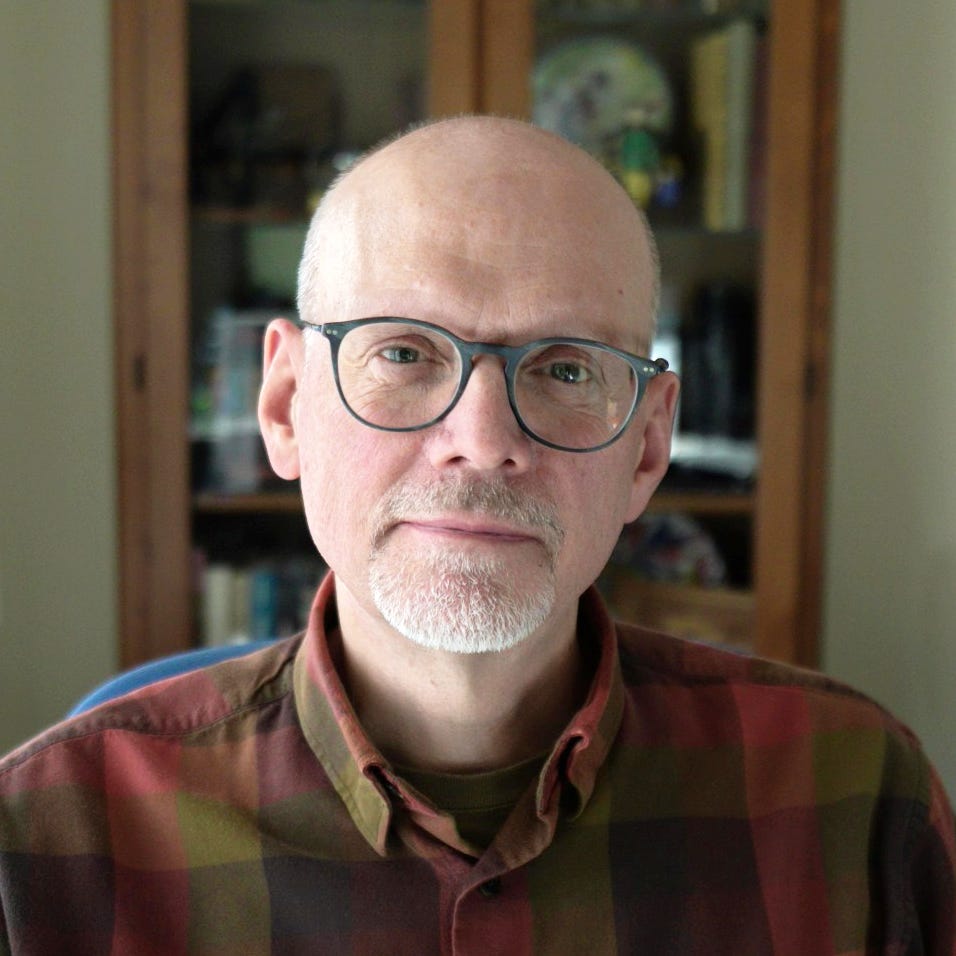
The priority of Jungian coaching is to strengthen the relationship between your ego and your true Self, encouraging the ego to see itself as a part of the whole psyche, what Jung called “individuation.”
Qualifications
I have a BA in Psychology from the University of Victoria and took several related courses during my 24 years with Island Crisis Care Society, including Level 1 Motivational Interviewing, Non-violent Communication, and Mental Health and Addiction 1 and 2. I am currently enrolled in a 9-month course in Jungian Coaching from the Jung Platform. I have an ongoing interest in Internal Family System’s Theory and Attachment Theory.
I also hold a certificate in Biblical Studies from a small Canadian prairie Bible college, and a diploma in creative writing from the Kootenay School of Writing. Adam’s Media published two of my books on a type of beauty called “wabi sabi” and my long running blog is located at stillinthestream.com
Why Coaching?
Two factors drew me to Coaching (rather than Clinical Counseling).
Firstly, I was looking for a way to partner with people that doesn’t focus solely on the distress or illness, but instead focuses on the journey of personal growth. Anxiety and depression can seem to dominate your life, but I want to help people see their whole tapestry and how they are unfolding into something beautiful.
Secondly, having worked for Island Crisis Care Society for over 2 decades, I saw the value of a clinical diagnosis and assessment. Clinical care is offered at a very high level and clinical requirements in Canada are rightfully high as well. So I recognize it’s deep value, but I’m not drawn to be a clinician. It requires a deep academic knowledge of mental illness and an equally deep level of responsibility when designing or overseeing treatment. I am not suited to supporting someone experiencing a crisis, a serious mental illness, or someone active in the use of substances. But I am suited to supporting someone after a crisis, at that stage where other services drop away and you are left thinking, “what now?”
As a point of reassurance, I am trauma informed, but I’m not a trauma counselor. Likewise I love to explore people’s symptoms as a doorway into what their true Self is calling them to, but I try not to offer advice or direction. The knowledge and wisdom you discover for yourself has the most lasting impact.
I also bring a wealth of specialized information to the table, as well as a lifetime of experience, and I do offer perspectives and feedback when I think it might be helpful.
What is Jungian Coaching?
Like Counseling, Jungian Coaching is a therapeutic relationship that can reduce distress, anxiety, and depression through specific methods, and, as mentioned above, it is different from Counseling in that it does not offer counsel.
Instead, Jungian Coaching uses curiosity and a few select methods to explore what your subconscious or unconscious is trying to tell you. The unconscious speaks in symbols, some universal, but some very specific to you and your life experience. As I get to know you, I listen for this language of symbols and emotions as we look at things like your dreams, meaningful events and memories, conflicts, triggers, and images from your drawing, writing, and active imagination.
Can I see you if I have a Mental Illness?
Coaches can not and do not diagnose or treat serious mental illness. Such conditions benefit most from the highly specialized support of a clinician. If you have a serious mental illness and are interested in seeing me, ask your primary clinician (doctor, psychologist, social worker, clinical counselor, psychiatrist) what they recommend. They are best qualified to work with you on how to include Jungian Coaching in your overall treatment plan.
Jungian Coaching can uncover unknown sides to yourself that you might find unsettling or discouraging and your clinician will determine if and when to start the coaching relationship. Often this is done through an assessment of your emotional stability, ego strength, and general readiness to expose yourself to deeper questions of meaning, purpose, and personal growth.
Where and When
I offer coaching in person in Central Vancouver Island, or via video conferencing. I have a home office for sessions in Nanaimo. I’m available Monday and Tuesday, from 9 am to 8:00 pm, Pacific Time.
For More Information see:
Is Stream Work Right for me - setting up a free investigation call.
What is Stream Work Video by Richard
A mental health diagnosis can give a name and identity to your suffering, and only psychologists, psychiatrists, doctors, and some highly qualified social workers can provide a diagnosis. Clinical counselors, social workers, and psychiatric nurses can provide treatment plans and the kind of therapy needed to stabilize and treat a serious mental illness. Clinicians must know about the various classifications of mental illness, and be specially trained to work with trauma.